Case study
Casery
Building a data-driven Shopify catalog for paid acquisition.
I joined Casery as a part-time contractor helping build a custom Shopify theme, then became Lead E-Commerce Developer reporting to the CEO. I owned the direct-to-consumer storefront and catalog across partnerships with Express, Nickelodeon, Manic Panic, and Good Morning America. During my tenure, online revenue grew from roughly $1,500/month to a projected ~$3M/year in my final year.
The Opportunity
Phone cases create a multiplicative catalog problem: every design must be offered across multiple devices and case types. Inventory-based competitors had to limit their selection or hold large quantities of finished goods, while dropshippers could offer more products only with long delivery times.
Casery's in-house printing changed the economics. We could stock blank cases, maintain designs digitally, and produce the final device and design combination after purchase. I recognized that this was not only a fulfillment advantage; it could support a broader Shopify catalog, more Google Shopping inventory, and faster product testing without betting on finished stock.
Catalog and Acquisition Strategy
I designed the catalog and release strategy around three connected systems:
As Lead E-Commerce Developer, I owned the Shopify storefront and product catalog, structured device and case-type variations, connected releases to Merchant Center and paid acquisition, and coordinated design, marketing, and fulfillment around launches.
Shopify catalog architecture
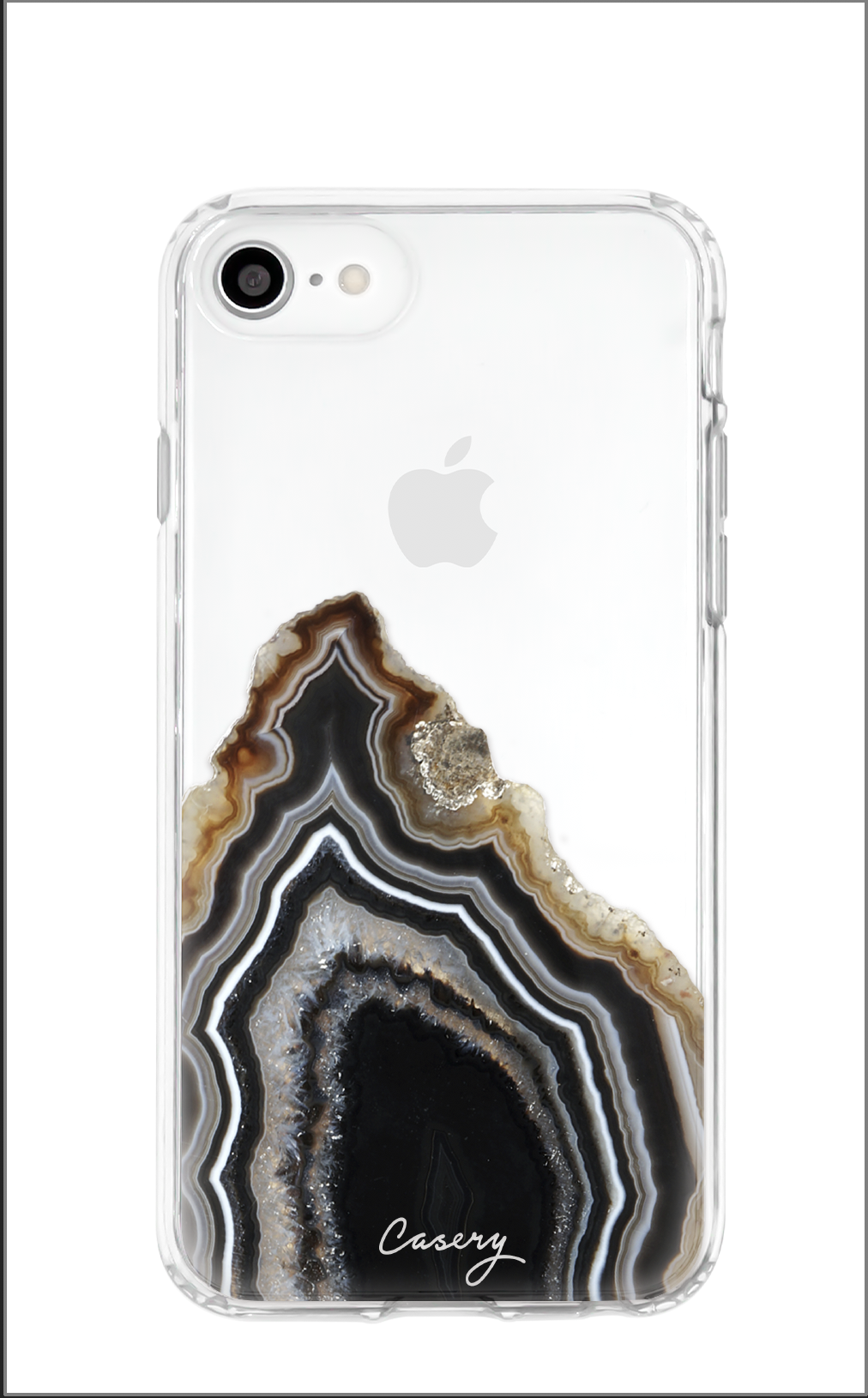
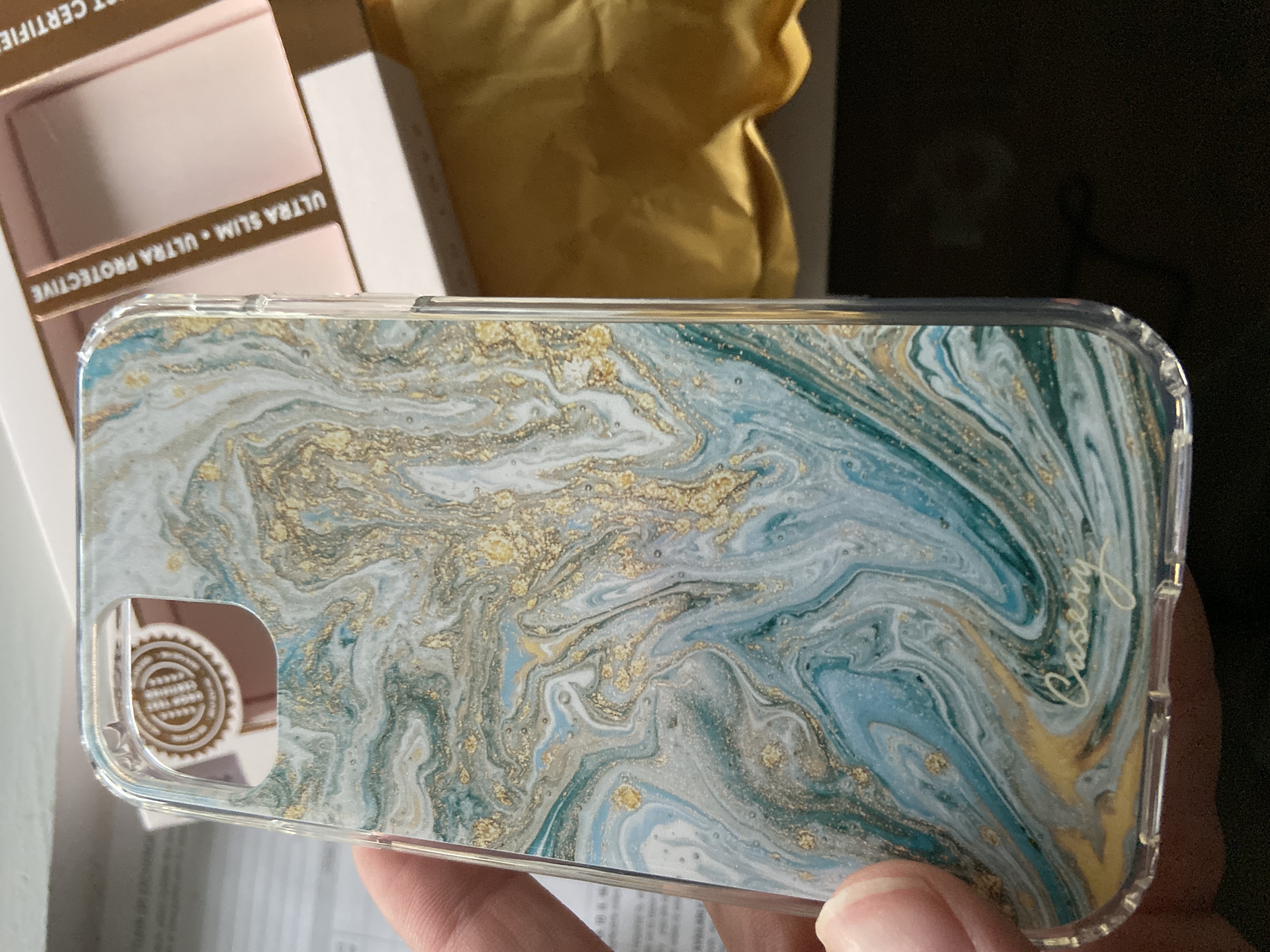
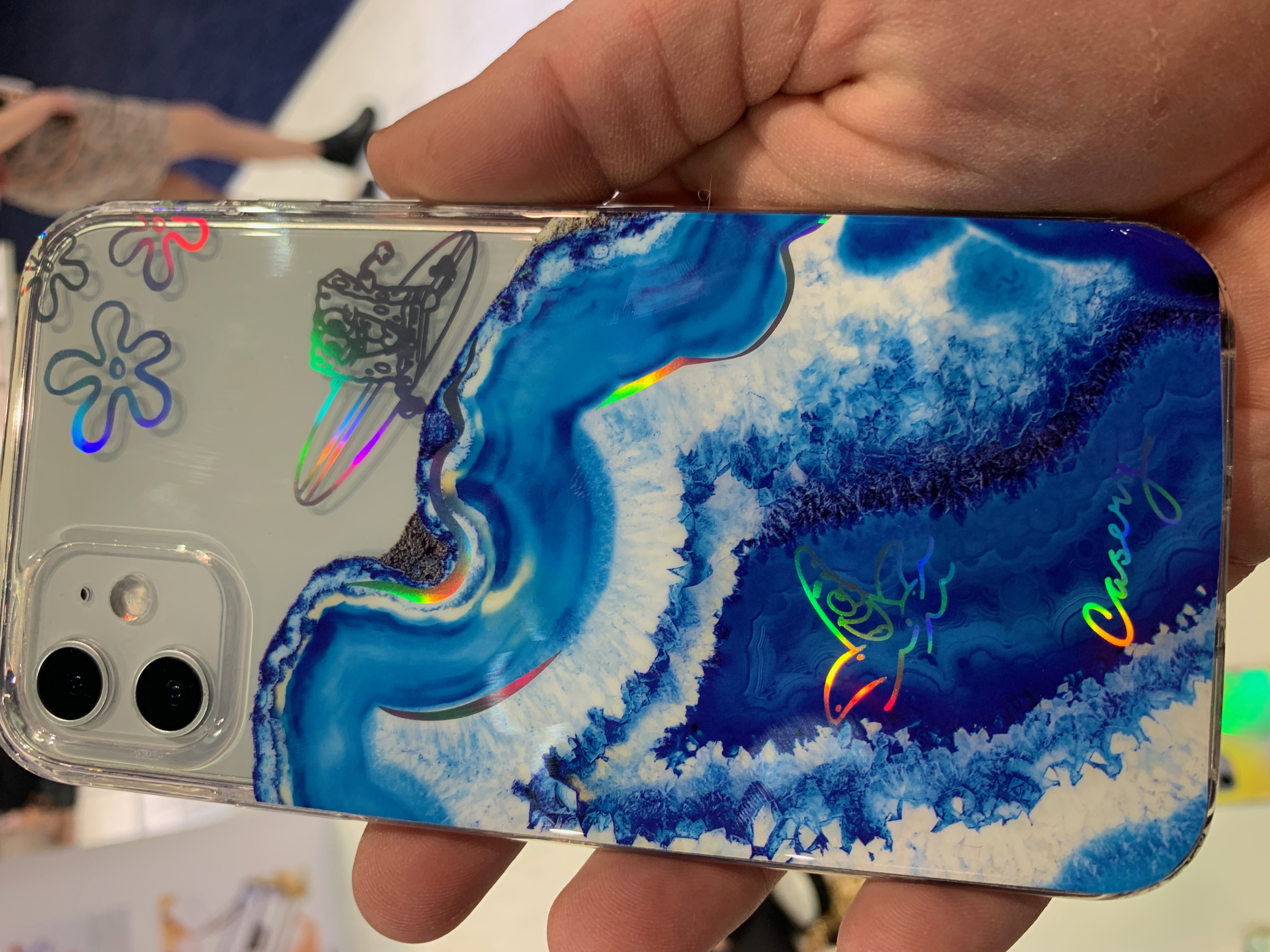
I structured products across device and case-type variations so designs could remain shoppable and available through Google Merchant Center without pre-printing every combination. Because Google Shopping is visual, collections were built across distinct aesthetics and photographed to remain legible and recognizable at thumbnail size.
Data-guided product development
We combined Shopify sales, conversion, email, and advertising performance with external fashion, color, seasonal, and competitive trends. Those signals guided which designs, categories, and colorways entered the release pipeline.
Repeatable releases
Larger catalog launches expanded the available range, while recurring releases gave us a controlled way to test new creative directions with the mailing list and paid acquisition.
Research trends → release designs → promote → analyze performance → refine the next release
Scaling Beyond DTC
The same catalog and in-house production model supported national promotions, wholesale partnerships, marketplaces, and paid acquisition beyond Casery's own storefront.
National TV promotions
Casery ran Good Morning America promotions across multiple years. These programs usually relied on a third-party contractor to build the custom campaign pages. I built and maintained the integrations in-house against fixed air dates, when the pages had to be correct before each segment ran.
Wholesale and marketplace channels
Express selected Casery for its Labels We Love program, selling our designs on express.com while Casery fulfilled the orders. We also produced retailer-requested exclusives and sold through Amazon, Walmart, and other distributors.
Because products were printed after purchase, retailers could carry a broad assortment without either company holding every finished device and design combination.
Paid acquisition
After testing outside agency support, I brought paid acquisition in-house. Across my tenure I managed more than $1M in cumulative spend across Google Ads, Google Shopping, Facebook, Instagram, and Amazon.
The catalog structure made that spend more effective: print-on-demand let us advertise breadth without tying capital to finished inventory.
Impact
The work turned Casery's in-house printing capability into a repeatable e-commerce growth model.
- Grew direct-to-consumer revenue from roughly $1,500/month to a projected ~$3M/year in my final year
- Structured a Shopify catalog across multiple years of device releases and case types, mapping shared case compatibility while keeping a broad assortment shoppable through Google Shopping
- Brought paid acquisition in-house after testing outside agencies, managing over $1M in cumulative spend across Google, Meta, and Amazon
- Built and maintained the Good Morning America integration in-house across multiple years of promotions
- Extended the catalog to Express, Amazon, and Walmart, turning in-house print capacity into a wholesale channel